Our Newsletter
February 2026
Home > Newsletters > February 2026


Artificial Intelligence is reshaping the future of medicine by accelerating antibody discovery, optimizing cell and gene therapies, and personalizing treatment strategies. From designing smarter biologics to predicting therapeutic outcomes, AI is transforming complex science into precise, accessible care
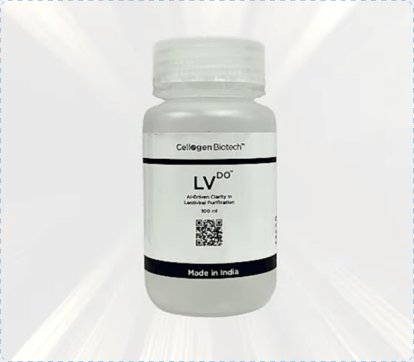

LVDO, our Lentivirus Concentrator, an innovative solution designed to concentrate lentiviral vector. Lentiviral vectors (LVVs) are most powerful tools widely used for stable gene delivery in CAR-T cell therapy, gene editing, and cell line development due to their ability to integrate into the host genome and ensure long-term expression. We’ve integrated an AI-based Chatbot Assistant into LVDO— helping users with titer calculations, reagent ratios, troubleshooting tips, and protocol clarifications. The chatbot is continuously updated with application data and user feedback, ensuring accurate and reliable guidance for both new and experienced users.
Every batch of LVDO undergoes rigorous QC validation for reproducibility and viral recovery efficiency, ensuring consistent performance across users and scales.
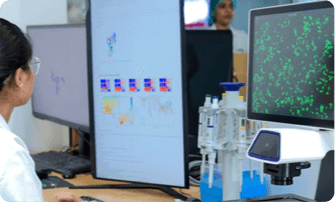
Team Cellogen is focused on advancing next-generation biotherapeutics. They’re developing nanobody platforms, using AI-driven design to create highly specific antibodies, and innovating immune-based therapies like CAR-T. Their work blends computational biology, engineering, and translational research to accelerate safer, more effective treatments for cancer and other challenging diseases.
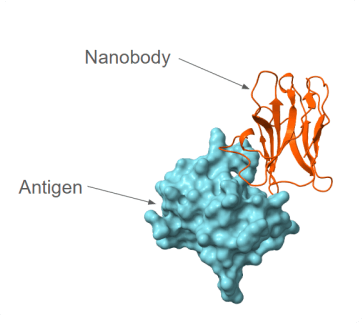
TNanobodies are tiny, single-domain antibody fragments originally derived from camelids. Unlike conventional antibodies, which are large and complex, nanobodies are much smaller, more stable, and easier to engineer.
Their size allows them to penetrate tissues more effectively and bind to targets that traditional antibodies cannot reach. Nanobodies are also highly specific, less likely to trigger immune reactions, and can be produced efficiently using advanced biotechnology platforms. Because of these advantages, nanobodies are emerging as powerful tools in cancer therapy, diagnostics, and next-generation immune and gene-based treatments.
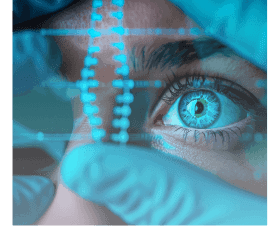
Korea
Breakthrough in gene-editing for inherited blindness –
India
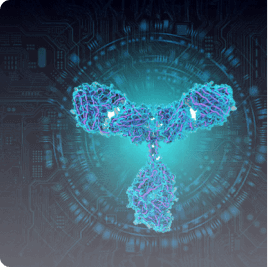
Cellogen Therapeutics has filed a patent for an AI-powered antibody discovery tool, CelAbGen!
To Stay Updated with the latest in Cell & Gene Therapy, Subscribe to Our Newsletter
Subscribe Now >Latest Newsletters