Our Newsletter
January 2026
Home > Newsletters > January 2026


Artificial intelligence enables data-driven modeling of biological systems at unprecedented scale, integrating genomic, cellular, and clinical datasets. By improving target selection, vector design, and off-target prediction, AI is accelerating the development of safer, more precise cell and gene therapies with durable therapeutic impact.

CasAInova: World’s First AI-Engineered CRISPR Cas12 Breakthrough!
CasAInova—a pioneering AI platform that designs compact, ultra-precise Cas12 and Cas9 variants from scratch. Developed by our expert team Cellogen led by AI expert Dr. Nisha Chaudhary, Shantanu Kumar, and Juli Gupta, alongside senior scientists, the platform is powered by deep learning trained on 1M+ sequences.
CasAInova delivers smaller, high-fidelity enzymes with unmatched efficiency, enhanced PAM flexibility, and zero off-target risk. Ideal for AAV and LNP delivery, it is set to redefine safe, precise gene editing and usher in a new era of transformative therapeutics.
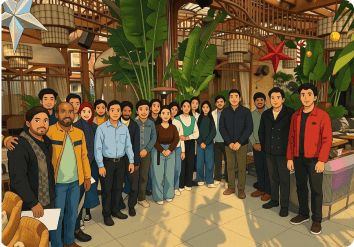
The young scientists at Cellogen share one burning dream: to slash the crippling cost of treating chronic diseases like cancer, sickle cell anaemia, and thalassemia for millions of Indian patients.
Day and night in the lab lights stay on. They harness cutting-edge AI, advanced biotechnology, and deep clinical insight to create world-class, made-in-India solutions that are not just effective, but truly accessible and affordable. We wish that may the year 2026 bring new hope in the form of innovative treatment and therapies.
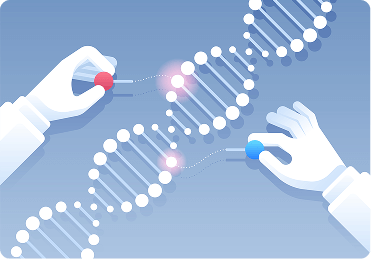
TCRISPR-Cas9 empowers scientists to precisely edit DNA, targeting cancer's genetic drivers like oncogenes (e.g., KRAS) or suppressors (e.g., p53), restoring immune cells' tumor-killing power via enhanced CAR-T therapies.
Globally, 2025 trials show success in GI cancers, where CRISPR-edited TILs halt metastasis with minimal toxicity. Unlike chemotherapy's broad cytotoxicity—causing severe side effects and resistance—CRISPR offers targeted, one-time edits for durable responses.
United kingdom
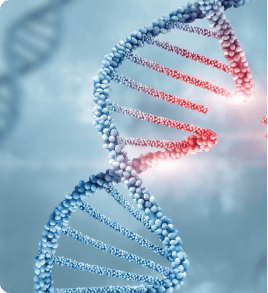
UK breakthrough in gene-edited CAR-T therapy for T-cell leukemia:
United States
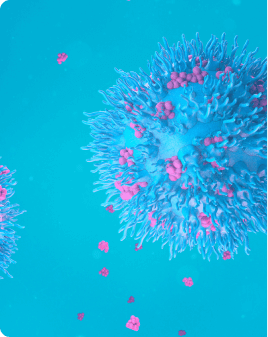
FDA lifts clinical hold on gene therapy trial for hypertrophic cardiomyopathy:
Asia
Cellogen Therapeutics received regulatory approval for a patent on its bi-specific 3rd generation CAR-T cells:
To Stay Updated with the latest in Cell & Gene Therapy, Subscribe to Our Newsletter
Subscribe Now >Latest Newsletters