Our Newsletter
March 2026
Home > Newsletters > March 2026


India has the scientific talent, clinical expertise, and growing research ecosystem to lead the next wave of innovation in cell and gene therapy. The real question is no longer whether these transformative therapies will reach India—but whether India will help define how they are developed, manufactured, and made accessible to the world.
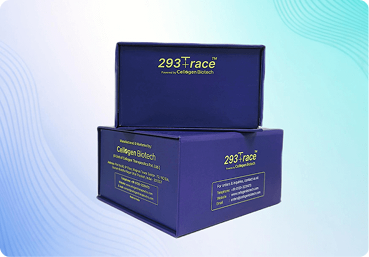

293Trace is a qPCR (TaqMan-based) assay developed in-house for the sensitive and specific detection and quantification of HEK293/HEK293T DNA and other human DNA in biological samples. Targeting conserved regions of the human genome, it achieves picogram-level detection across a broad dynamic range.
The unique features of cellogen Therapeutics’ 293Trace USPs,

As Cellogen Therapeutics prepares to launch India’s largest Lentiviral Vector (LV) manufacturing facility, the team is expanding by hiring scientific talent and administrative staff to support the upcoming unit. Lentiviral Vectors—critical for CAR-T and gene therapy research—are currently expensive imports. By manufacturing them domestically and converting research-grade LV into commercially available vectors, Cellogen aims to reduce costs by up to 90%, making advanced research more accessible in India.

A Lentiviral Vector (LV) is a modified virus used in modern gene and cell therapies to deliver genetic material into living cells. Derived from the Lentivirus family, the vector is engineered so that disease-causing components are removed while retaining its ability to efficiently insert therapeutic genes into target cells.
This capability makes LV a critical tool in treatments such as CAR-T cell therapy and other forms of gene therapy. High-quality LV is essential because it ensures safe, efficient, and consistent gene delivery. Reliable vector manufacturing improves treatment effectiveness, supports large-scale clinical research, and enables the development of next-generation therapies for cancer, genetic disorders, and rare diseases.

Germany
CAR-T Therapy Shows Drug-Free Remission in Lupus –
United States
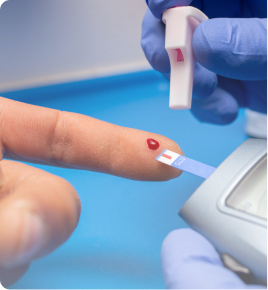
Gene-Edited Pancreatic Cells Offer Hope for Type-1 Diabetes -

India
India’s Largest Lentiviral Vector Facility to Boost Gene Therapy Research Country -
To Stay Updated with the latest in Cell & Gene Therapy, Subscribe to Our Newsletter
Subscribe Now >Latest Newsletters